


The rise of streaming giants has cast a long shadow over local content production, nowhere more evident than in Australia where the federal government has stalled on implementing local content quotas for platforms like Netflix and Disney+. This inaction, coupled with the pre-election silence on cultural policy, has ignited fears that unique Australian voices and stories are being sidelined.
Network TV must adhere to local content quotas
While commercial broadcasters have long adhered to local content requirements, the streaming world operates without such obligations, a critical issue as viewership increasingly shifts online. The Australian screen industry, facing a breaking point, is urgently calling for a fundamental shift in how content is funded, moving beyond outdated models reliant on dwindling broadcast advertising revenue and towards innovative collaborations with brands as genuine cultural investors.
The Quota Conundrum: A Level Playing Field?
For decades, Australian commercial broadcasters and pay-TV platforms have been bound by local content quotas as part of their licensing agreements. This framework mandates that free-to-air broadcasters show at least 55% Australian content between 6 am and midnight on their primary channels, alongside specific genre requirements. Pay-TV providers like Foxtel are also obligated to spend a minimum percentage of their program expenditure on Australian drama.
However, this regulatory landscape doesn't extend to streaming services. As viewers migrate en masse to digital platforms, this disparity creates an uneven playing field, potentially marginalizing local productions that struggle to compete with the vast libraries of global streaming services. The Australian screen industry petitioned the government back in 2017 to consider a “cultural carve out” when negotiating free trade agreements, aiming to safeguard the production and maintenance of unique Australian culture.
Silence from the Top: Concerns for the Future
Despite initial signals from Federal Arts Minister Tony Burke in October last year about potential quotas being delayed until after the US election, citing concerns about violating Australia’s 2004 free trade agreement, the issue has since fallen into silence. With a federal election now on the horizon, hopes that cultural policy would be back on the agenda appear to be fading, leaving the Australian screen sector in a state of uncertainty.
The Risk: A Homogenized Content Landscape
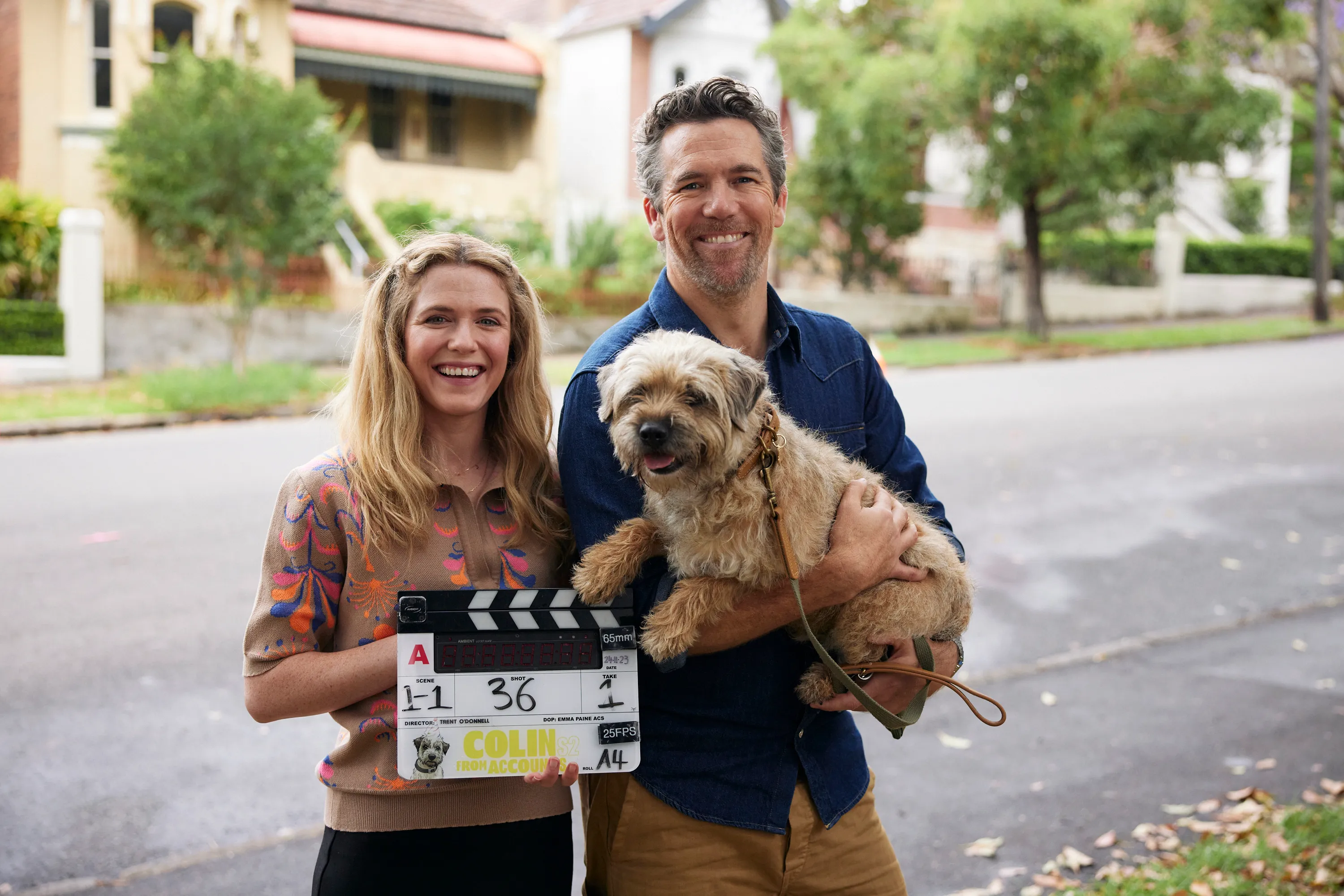
The absence of local content requirements on streaming platforms raises concerns about the future diversity of available content. While the success of shows like "Colin from Accounts" demonstrates the global appeal of unique Australian voices, the lack of mandated support could lead to a decline in such productions. Without proper funding mechanisms or quota obligations, the number of local stories greenlit is likely to diminish, potentially resulting in a landscape dominated by cheaper reality programming or an influx of American content.
A Breaking Point: The Strain on Traditional Models
The traditional funding model for content creation, heavily reliant on broadcast advertising revenue, is under significant strain in the streaming era. Australian commercial networks have experienced a dramatic decline in advertising revenue, plummeting from $7.7 billion in 2006 to $3.8 billion in 2020-21, according to the Interactive Advertising Bureau. Television's share of Australia's total ad spend has also more than halved during this period.
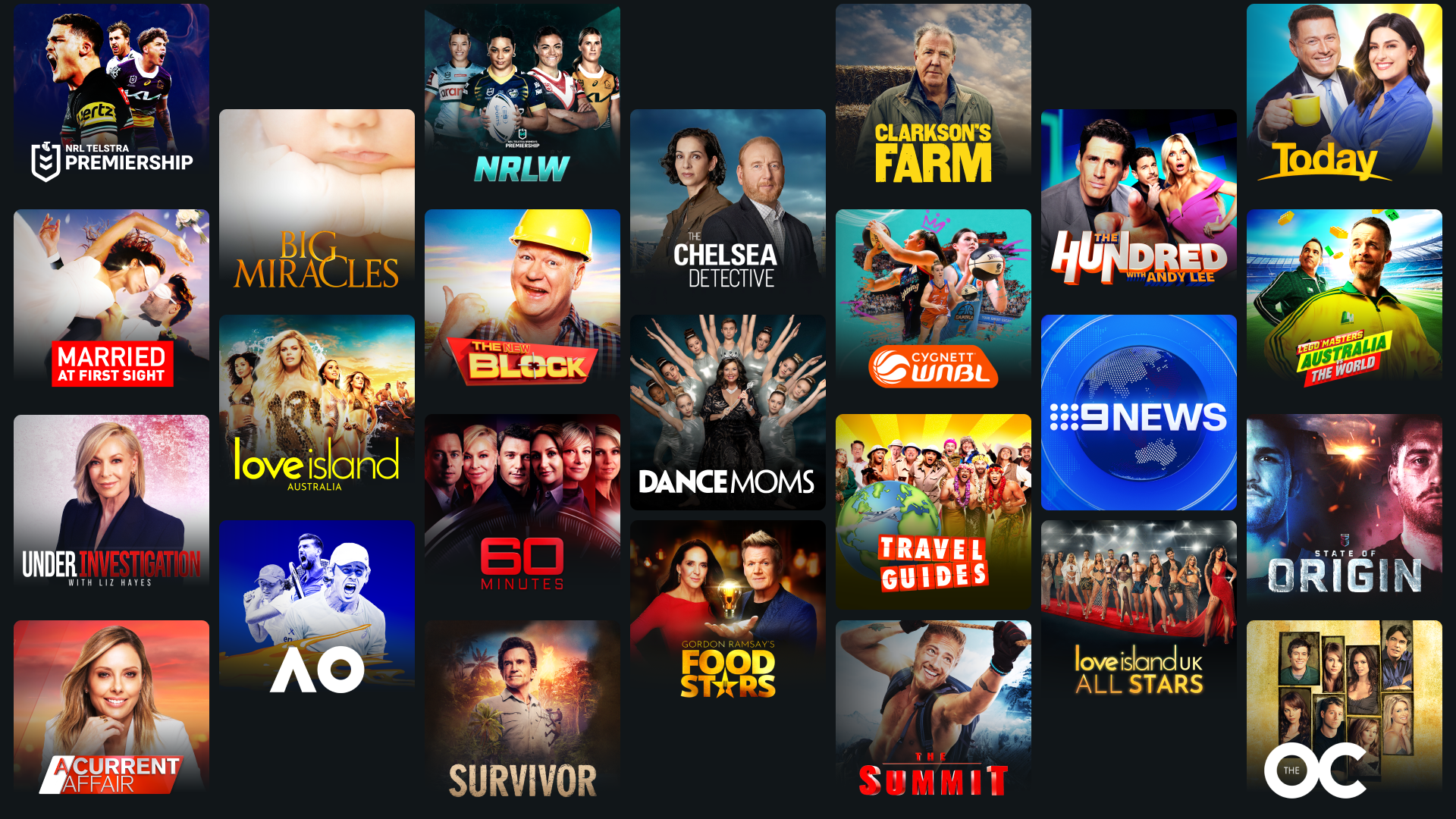
This financial pressure is forcing networks to tighten their belts, impacting their ability to invest in high-quality, local programming. The Australian situation serves as a stark example of the challenges creators face in financing their stories in a market increasingly dominated by global streaming giants with deep pockets.
Brands as Cultural Investors: A New Path Forward
However, amidst this disruption lies an opportunity. While traditional advertising revenue declines, significant marketing dollars are still flowing, albeit increasingly towards digital platforms, influencers, and social media. This presents a chance for brands to evolve from simply buying advertising spots to becoming genuine cultural investors.
Imagine a model where brands collaborate with creators from the ground up, not as sponsors but as active partners in financing and shaping compelling narratives that resonate with audiences. This isn't about compromising creative integrity; it's about recognizing the potential for a symbiotic relationship. Brands can benefit from associating with engaging, high-quality content that aligns with their values, while creators gain access to crucial funding to bring their visions to life.
Time for a Change: Embracing Innovation and Collaboration
The situation in Australia should serve as a wake-up call for the global content industry. Clinging to outdated funding models is not a sustainable strategy in the face of the streaming revolution. The industry needs to embrace creativity, explore new partnerships, and recognize the untapped potential of brands as vital contributors to the cultural landscape.
The alternative is a future where local stories struggle to be told, leading to a homogenized content environment and a continued erosion of the diverse narratives that enrich our culture.
It's time for a fundamental shift in how we value and invest in local content, ensuring that unique voices have the opportunity to shine.
-GO


